


Chicama: The Longest Left-Hand Wave in the World


While destinations like Pipeline and Nazaré are known for their powerful and gigantic waves, Chicama, located in northern Peru near Puerto Malabrigo, has become a surfing icon thanks to its left-hand waves capable of running for kilometers.
The story of Chicama gained international attention in 1965, when Hawaiian surfer Chuck Shipman spotted a perfect series of lines breaking along the coast while looking out from an airplane window. Years later, Peruvian surfers such as Carlos Barreda, Oscar Malpartida, and Felipe Pomar traveled to the area to confirm what seemed impossible: a wave capable of lasting several minutes without closing out.

Chicama is divided into different sections such as Malpaso, Keys, El Point, and El Hombre; each with unique characteristics, yet all connected by long and perfect walls ideal for fluid maneuvers and endless lines on a surfboard. Since then, the spot has become one of the most desired destinations for surfers around the world and helped position Peru on the international surfing map as one of South America’s pioneers.
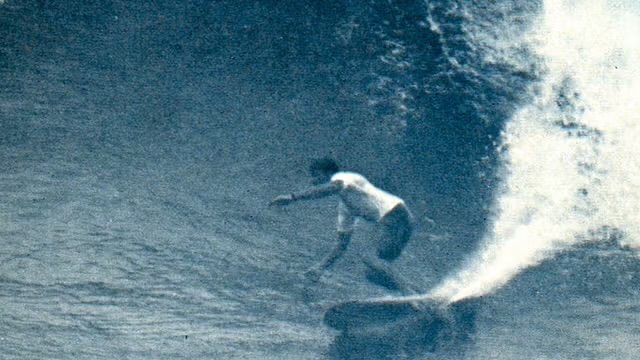
Over the years, the wave has hosted competitions and welcomed surfers from across the globe, drawn by the possibility of riding for more than two minutes on a single wave that seems to never end. Some describe it as physically and mentally exhausting; others see it as the ultimate surfer’s dream.
Historic figures such as Felipe Pomar played a key role in the growth of Peruvian surfing and helped consolidate Chicama’s international reputation. Decades later, in 2012, fellow Peruvian Cristóbal de Col achieved a Guinness World Record after performing an extensive sequence of maneuvers on a single wave at this spot.

Chicama’s impact on surf culture has been so significant that, in 2016, Peru turned this break into one of the first legally protected waves in the world through the so-called “Wave Protection Law.” The legislation prevents construction projects that could alter its natural formation and set a new international precedent for the conservation of surf-related ecosystems.
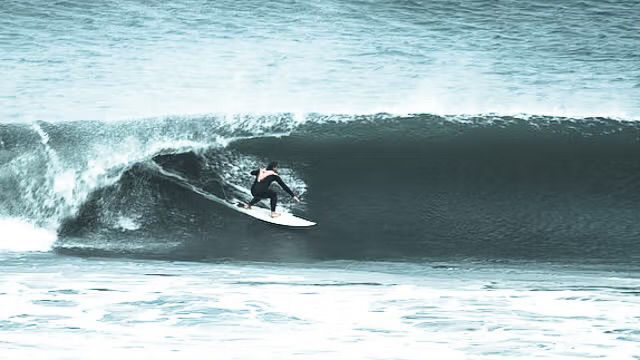
Today, Chicama stands as a symbol of the connection between nature, sport, and culture in Peru. Its endless left-hand wave not only changed the history of South American surfing, but also transformed this small town in northern Peru into a must-visit reference for the global surf community.

Comments